 Deira Dubai, UAE |













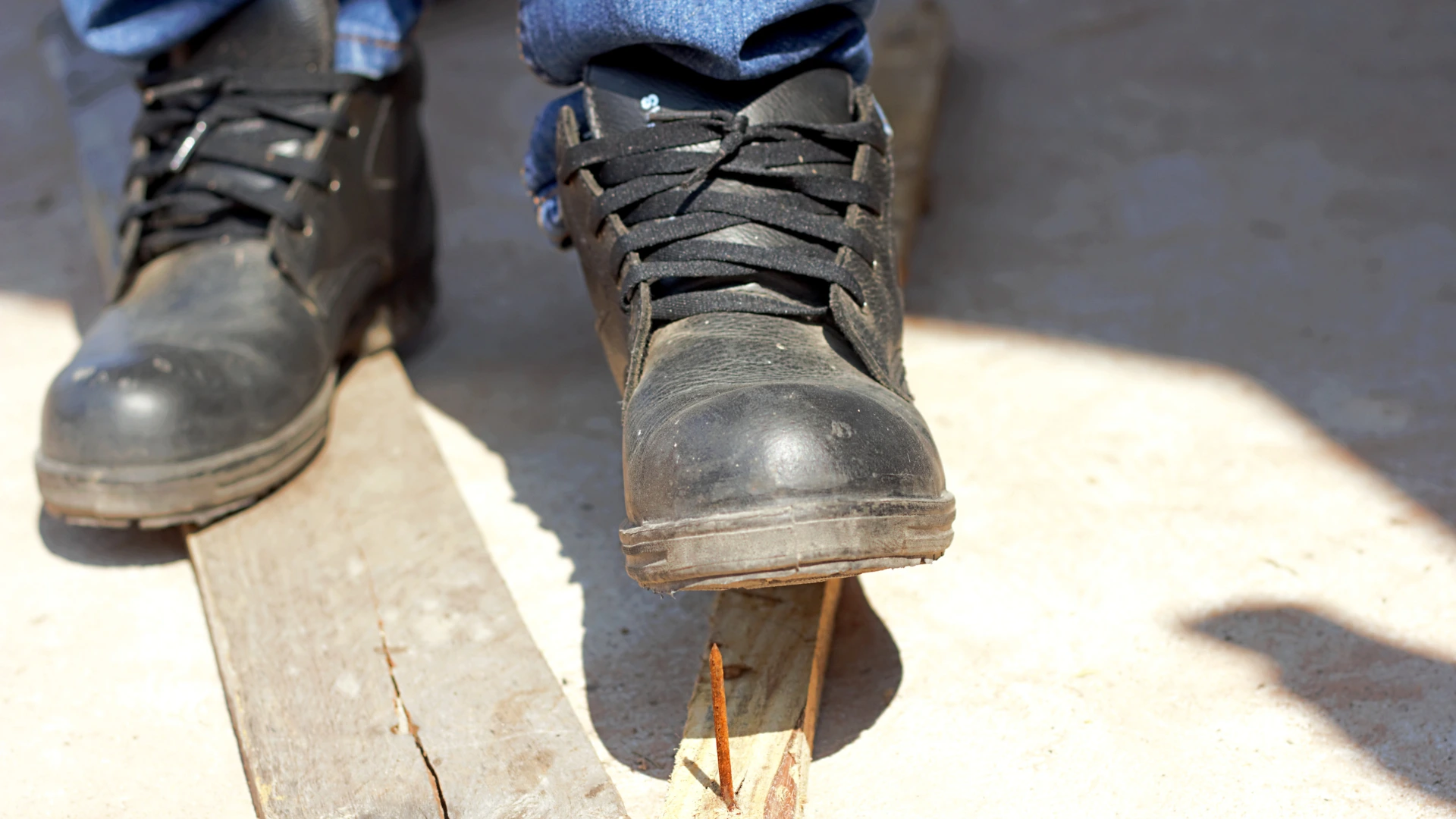
Every workplace, whether a bustling construction site or a high-activity industrial facility, shares one universal priority: keeping workers safe. One crucial yet sometimes overlooked element of this safety foundation is foot protection. From preventing on-site injuries to fostering a culture of care and compliance, foot protection plays a pivotal role in shaping a secure and productive work environment.
In this blog, we’ll explore how foot protection contributes to an improved workplace safety culture, why it matters, and how organizations can effectively integrate foot safety into their broader safety strategies.
Why Foot Protection Matters
Imagine a day on site without the right safety footwear slipping on wet surfaces, stepping on sharp objects, or having heavy equipment accidentally fall on your foot. These scenarios are all too common and can lead to serious injuries.
Foot protection safeguards workers from:
- Crushing injuries from heavy falling objects
- Penetration from sharp debris
- Slips and falls due to unstable surfaces
- Burns or chemical exposure
- Electric shocks in hazardous environments
By minimizing these risks, foot protection reduces injuries and associated downtime, which directly supports a safer and more confident workforce
Foot Protection and Safety Culture: What’s the Connection?
Workplace safety culture is more than just wearing gear it’s about attitudes, behaviors, and shared responsibilities. Here’s how foot protection strengthens that culture:
1. Demonstrates Management Commitment
When leadership insists on protective footwear as part of standard gear, it sends a strong message that worker safety is a priority. This encourages workers to take safety seriously and follow other protocols consistently.
2. Builds Consistency in Safe Practices
By integrating foot protection into daily workflows, workers become accustomed to prioritizing safety for all tasks not just the obvious high-risk ones. This consistency leads to better overall compliance and fewer preventable accidents.
3. Reduces Workplace Accidents
One foot injury can affect more than just the injured employee it can disrupt operations, impact morale, and even lead to legal consequences. Proper foot protection minimizes these incidents, helping teams stay focused and productive.
4. Encourages Worker Confidence
Employees who feel protected are more confident and engaged. When workers trust that their safety equipment including foot protection will protect them, it boosts morale and strengthens their commitment to safety standards.
Choosing the Right Foot Protection
Selecting the right footwear isn’t one-size-fits-all. Different industries and job roles require specific protective features. Some key considerations include:
Safety Features to Look For
- Steel Toe or Composite Toe Caps – For impact protection
- Slip-Resistant Soles – For wet or oily surfaces
- Puncture-Resistant Midsoles – To prevent sharp object penetration
- Electrical Hazard Protection – For electricians and high voltage zones
- Comfort and Support – Essential for long work shifts
For a wide range of quality safety footwear options, explore the Foot Protection category on Dishaimpex:
Integrating Foot Protection into Your Safety Strategy
To truly elevate your safety culture, foot protection should be part of broader initiatives:
Regular Training
Educate workers on why foot protection matters and how to choose and maintain their gear.
Clear Safety Policies
Include specific guidelines about when and where foot protection is required.
Routine Inspections
Ensure footwear remains in good condition and replace worn or damaged gear.
Employee Feedback
Encourage workers to share their experiences and preferences this creates ownership and involvement.
Conclusion
Effective workplace safety culture is about proactive protection and shared responsibility. Foot protection plays a crucial role in creating safer work environments by preventing injuries, promoting consistency, and building trust between workers and management.
Investing in the right safety footwear isn’t just compliance it’s commitment. Explore reliable foot protection solutions at Dishaimpex to strengthen safety culture and empower your workforce.
Start improving safety today:
https://dishaimpex.com/product-category/personal-safety/foot-protection/
FAQS
1. What counts as proper foot protection in the workplace?
Proper foot protection includes safety shoes or boots designed to protect against impact, penetration, slips, and other hazards specific to your work environment.
2. How often should safety footwear be replaced?
Safety footwear should be replaced when it shows signs of wear such as worn tread, cracked toe caps, or reduced comfort and support. Regular checks help ensure ongoing protection.
3. Is foot protection necessary if my workplace seems low risk?
Yes. Even seemingly low-risk environments can pose hazards like uneven surfaces, dropped tools, or chemical spills. Foot protection provides an essential baseline of safety
4. Can I use regular shoes instead of safety footwear?
No. Regular shoes lack safety features like reinforced toes, puncture-resistant soles, and slip-resistant designs all of which are critical in hazardous workplaces.
5. How does foot protection reduce workplace costs?
By preventing injuries, foot protection reduces medical expenses, lost workdays, legal liabilities, and productivity losses.